
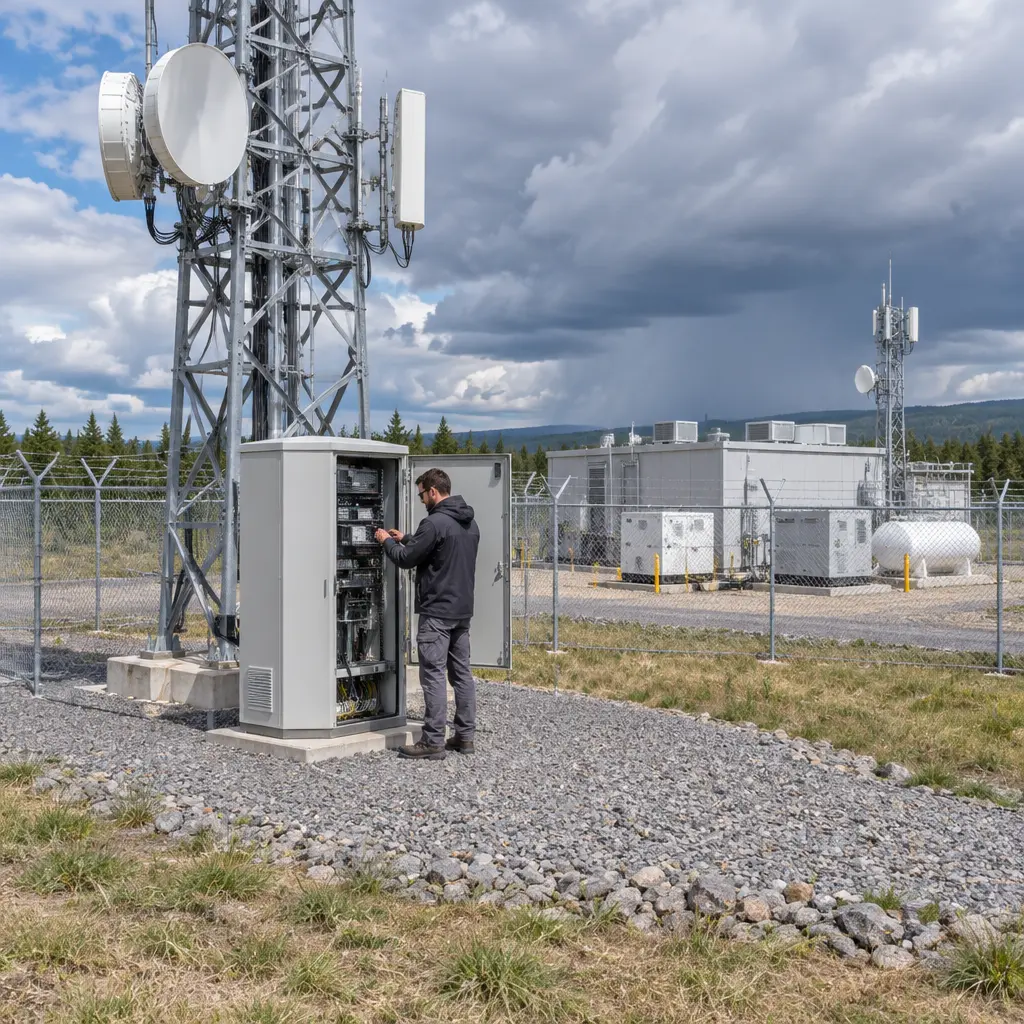
Heavy-storm signal attenuation is the weakening of radio, satellite, or optical signals as they pass through rain, snow, hail, or storm clouds. Preparing for it means identifying which links are vulnerable, adding alternate paths and reserve capacity, and monitoring conditions so operators can switch or recover service quickly. The risk is measurable: the U.S. National […]
Month: October 2026
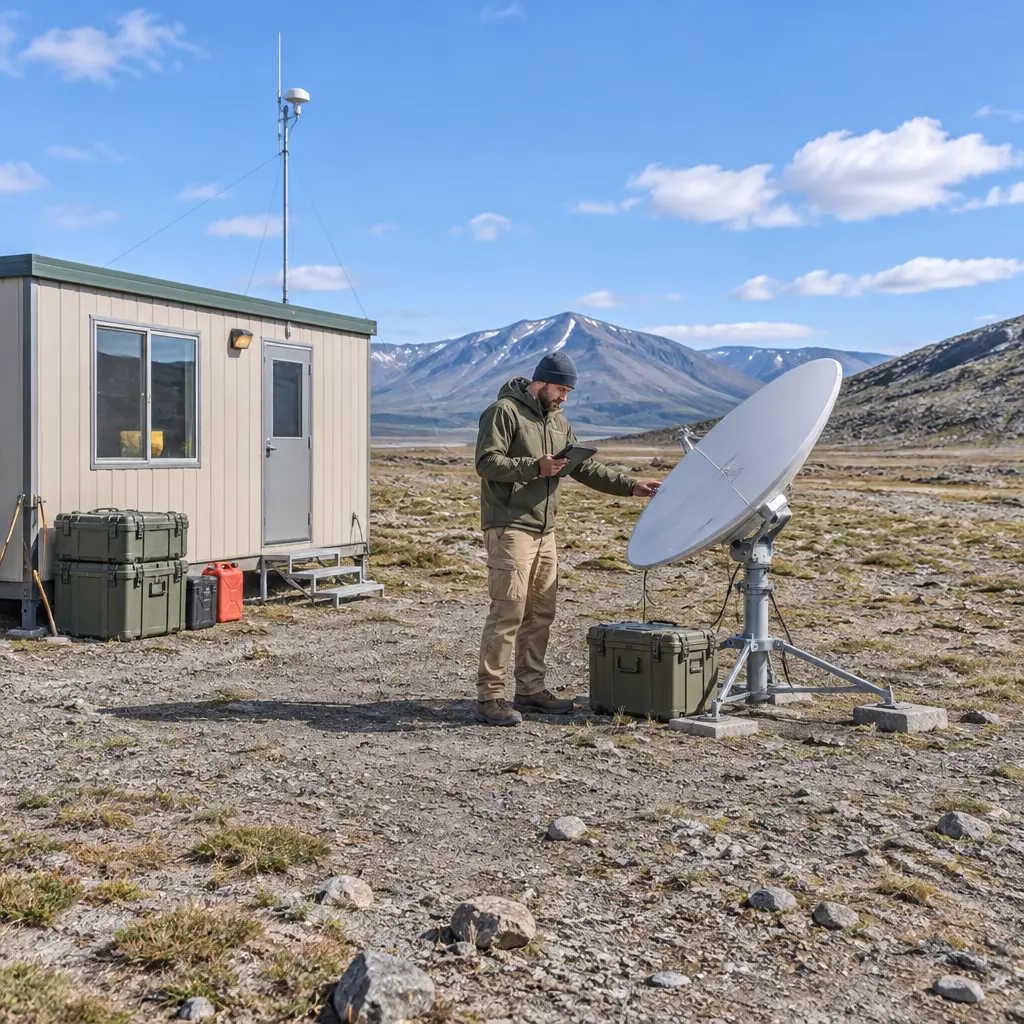
Business Continuity Planning Using Satellite As Primary Link For Remote Operations
Satellite-primary business continuity planning uses satellite communications as the main connection for remote operations, rather than relying on terrestrial broadband or cellular networks. A resilient plan pairs that link with tested power, secure network design, service-level requirements, and a workable recovery option. This matters because outages can interrupt payments, dispatch, safety communications, and access to […]
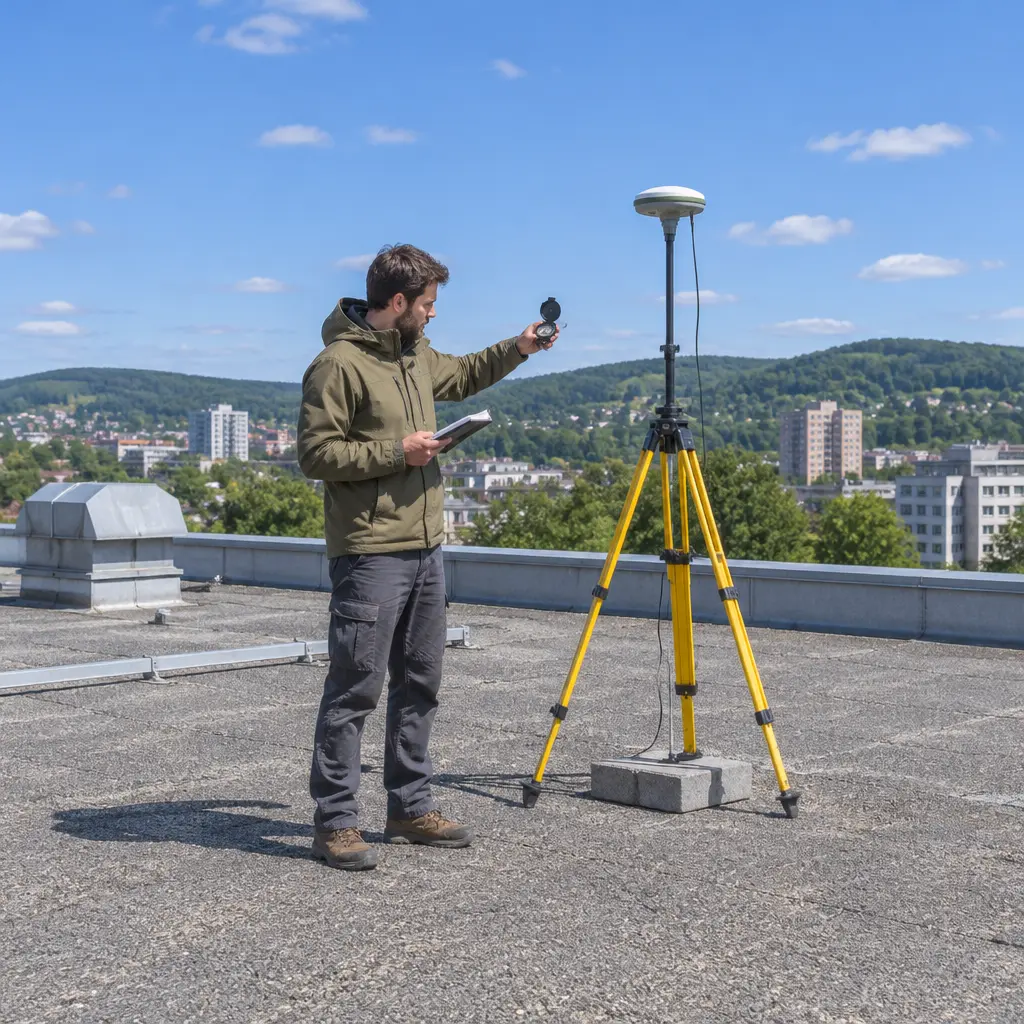
Installation Site Survey Identifying Clear Sky Views Beyond Visual Obstruction Checks
An installation site survey is a systematic assessment of a proposed location to determine whether equipment can perform reliably there. For systems that depend on unobstructed views of the sky—such as satellite antennas, GNSS receivers, astronomical instruments, and some communications links—checking only for visible obstacles is not enough. A dependable survey combines a measured horizon […]

Rural Connectivity Gap Bridging Digital Divides With Low Earth Orbit Solutions
Low Earth orbit (LEO) satellite connectivity uses satellites orbiting relatively close to Earth to deliver internet access, including to places where terrestrial networks are costly or difficult to build. It can help narrow rural connectivity gaps, but it is not a stand-alone cure: affordability, capacity, installation, reliability, and local policy determine whether coverage becomes useful […]

Satellite Latency Reality Understanding Signal Travel Time For Gaming And Calls
Satellite latency is the delay between sending data from a device and receiving a response through a satellite network. It matters because even signals traveling at light speed need time to cross thousands of kilometers—and additional processing and routing add more delay. Geostationary satellite connections commonly have round-trip times of roughly 600 milliseconds or more, […]